The Positives
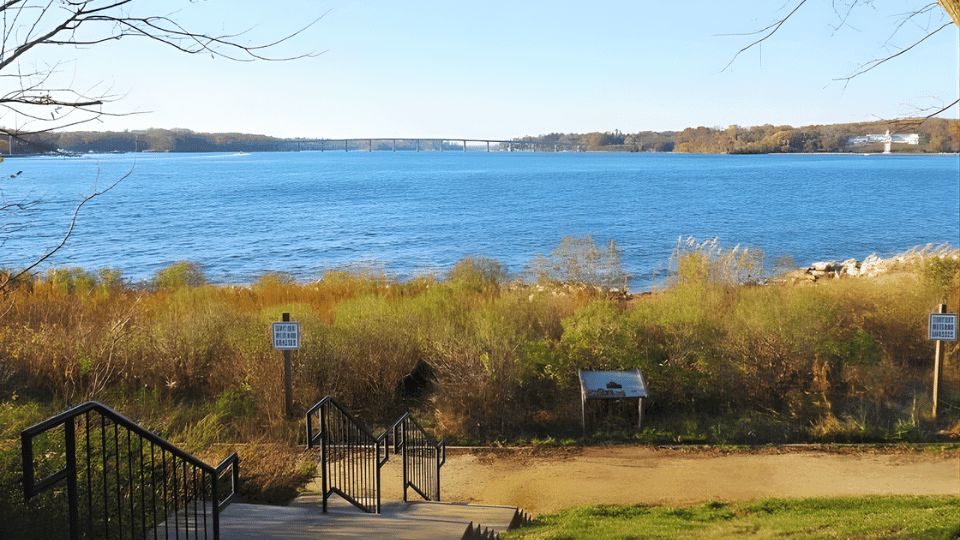
The shoreline here is fantastic for bank fishing. You've got about a quarter-mile of accessible waterfront, and the best part? It's mostly open with decent casting room. I set up near the main fishing area where the park meets the river, and I had plenty of space to work with. The water depth drops off pretty nicely just offshore, which is exactly what you want.
The park sits right where Severn Run feeds into the Severn River, and that confluence creates some really interesting structure. I was fishing during an incoming tide in early fall, and I could see baitfish getting pushed into the shallows. Where there's bait, there's predators—and sure enough, I hooked into a couple nice white perch and a small striper within the first hour.
What really won me over is how accessible this place is for beginners. There's a clear, maintained path down to the water, and you're not scrambling over rocks or fighting through thick brush. My knees appreciated that. Plus, there are picnic tables and a pavilion nearby, so if you're bringing kids or making a day of it, non-anglers have somewhere comfortable to hang out.
The Downsides
Let's talk about the elephant in the room: parking is a nightmare. The lot only holds maybe 20-25 cars, and on any decent weather day—especially weekends—it fills up fast. I got there at 6:30 AM on a Saturday and barely got a spot. By 8 AM, cars were getting turned away. This isn't a "maybe it'll be crowded" situation—plan on arriving at dawn or forget it.
The park also closes at sunset, which is enforced. No night fishing here, which is a bummer because some of my best striper action happens after dark in summer. I watched a park ranger politely but firmly ask folks to pack up at 7:45 PM, so they mean business.
Another thing: there's no boat launch. This is strictly a bank fishing and small kayak spot. You can hand-carry a kayak down to the water, but don't show up expecting to trailer a boat.
What Lives Here (And What You'll Likely Catch)
The Severn River is tidal, brackish water, so you've got a nice variety of species. Here's what I've seen or caught:
White perch are the bread and butter here—abundant, willing to bite, and honestly pretty fun on light tackle. I was using 1/8 oz jigs with Gulp minnows and caught probably a dozen in the 8-10 inch range.
Striped bass move through seasonally. Spring and fall are your best bets, especially during incoming tides. Most of what I've caught here are schoolies (undersized), but I've seen guys land keepers in the 20-24 inch range. The slot limit in Maryland is 19-26 inches or 35+ inches, so measure carefully.
Catfish (both channel and blue) are in here too. I didn't specifically target them, but I've talked to regulars who do well with cut bait fished on the bottom after dark—though remember, you can't fish after sunset in the park itself.
Largemouth bass are around, especially near the creek mouth where there's more structure and vegetation. Not huge numbers, but they're there if you work soft plastics or small crankbaits near cover.
I've also heard reports of yellow perch in spring, croaker in summer, and the occasional bluefish or Spanish mackerel when they push up the bay in warm months.
Gear Recommendations for First-Timers
If you're new to this spot, here's what I'd bring:
Rod and reel: A medium-light spinning setup (7-foot rod, 2500-3000 size reel) is perfect. You want something versatile enough for perch but with enough backbone for stripers. Spool it with 10-15 lb braid and a 12-15 lb fluorocarbon leader.
Tackle: Keep it simple. Bring 1/8 to 1/4 oz jig heads, Gulp or Berkeley minnow baits, a few small spoons (like 1/2 oz Kastmasters in silver), and some basic bottom rigs if you want to soak bait. Bloodworms or grass shrimp work great for perch and stripers.
Extras: Bring a headlamp if you're fishing early morning, a small cooler with ice if you plan to keep fish, needle-nose pliers, and a measuring tape. Maryland DNR doesn't mess around with size limits—measure everything carefully.
Comfort items: Bug spray in summer (mosquitoes can be vicious near the creek mouth), sunscreen, and a portable chair. There are a few spots where you can sit comfortably while fishing.
Tides and Timing Matter
This is tidal water, so check the tide charts before you go. I've had my best luck on the incoming tide, especially the first two hours. The outgoing tide can work too, but I found the fish less active. Dead low tide exposes a lot of mudflats and pushes fish offshore where you can't reach them from the bank.
Seasonal patterns: Spring (April-May) and fall (September-November) are prime time for stripers. Summer gets hot and the action slows mid-day, but early morning and evening can produce. Winter fishing is possible but cold and slow—bundle up if you're brave enough.
Things to Watch Out For
Regulations: You need a Maryland fishing license, and you need to know the rules. Stripers have that slot limit I mentioned (19-26" or 35+"), and there's a daily limit of one fish. White perch have no minimum size but a 25-fish daily limit. Check the DNR website before you go—rules change.
Snags: There's some structure near the creek mouth—fallen trees, rocks, that sort of thing. It's fish-holding habitat, but you'll lose some tackle. Bring extras.
Slippery banks: When the tide's been up, the muddy areas can be slick. Wear boots with good tread, not smooth-soled sneakers.
Weekend crowds: I mentioned parking, but even if you get a spot, weekends can mean sharing space with picnickers, kayakers, and other anglers. It's a public park—be courteous and flexible about where you set up.
The Verdict: Worth Your Time?
For local anglers or folks visiting Annapolis, Jonas Green is definitely worth fishing—if you can deal with the parking situation and the time restrictions. It's not a destination spot where you'd drive two hours, but if you live within 30 minutes, it's a solid option for a morning session.
I'd especially recommend it for beginners because it's safe, accessible, and you've got a good shot at catching something. White perch are cooperative enough that even kids can have success, and there's always the chance of a surprise striper to keep things interesting.
My plan? I'll be back, but I'll be showing up at first light and have a backup spot in mind in case the lot's full. That's just the reality of fishing a small park in a populated area.
Rating: 7/10 – Loses points for parking and sunset closure, but the fishing quality and accessibility earn it a solid recommendation.
Tight lines out there, and maybe I'll see you on the water.